Guide · Planning
Getting your home ready for a remodel in South Florida: a homeowner’s checklist
A remodel goes more smoothly when the house is ready for it. A little preparation protects your belongings, keeps daily life manageable and helps the crew start on schedule. This checklist covers what South Florida homeowners can do in the weeks before work begins, whether the project is one bathroom or several rooms of a house or condo.
Start with the written scope and schedule
Preparation depends on what is actually being done, so begin with the paperwork. A clear written scope should say which rooms are included, what will be removed, and which areas the crew will use for access and storage. Ask for a rough sequence of the work, too: demolition, rough work, drywall, flooring, cabinets, paint and finish details usually happen in a predictable order, and knowing it tells you which rooms you will lose and roughly when.
Settle a few practical details before day one:
- Working days and hours, and who to call with a question.
- How the crew will get in: keys, a lockbox, a gate code or a building concierge.
- Where materials and tools will be stored, and where a dumpster or debris pile can go, if one is needed.
- Which bathroom the crew may use, and where they can park.
Decide whether to stay or go
Many people live at home through a remodel, and with planning it works. It helps to be realistic about the rooms you depend on:
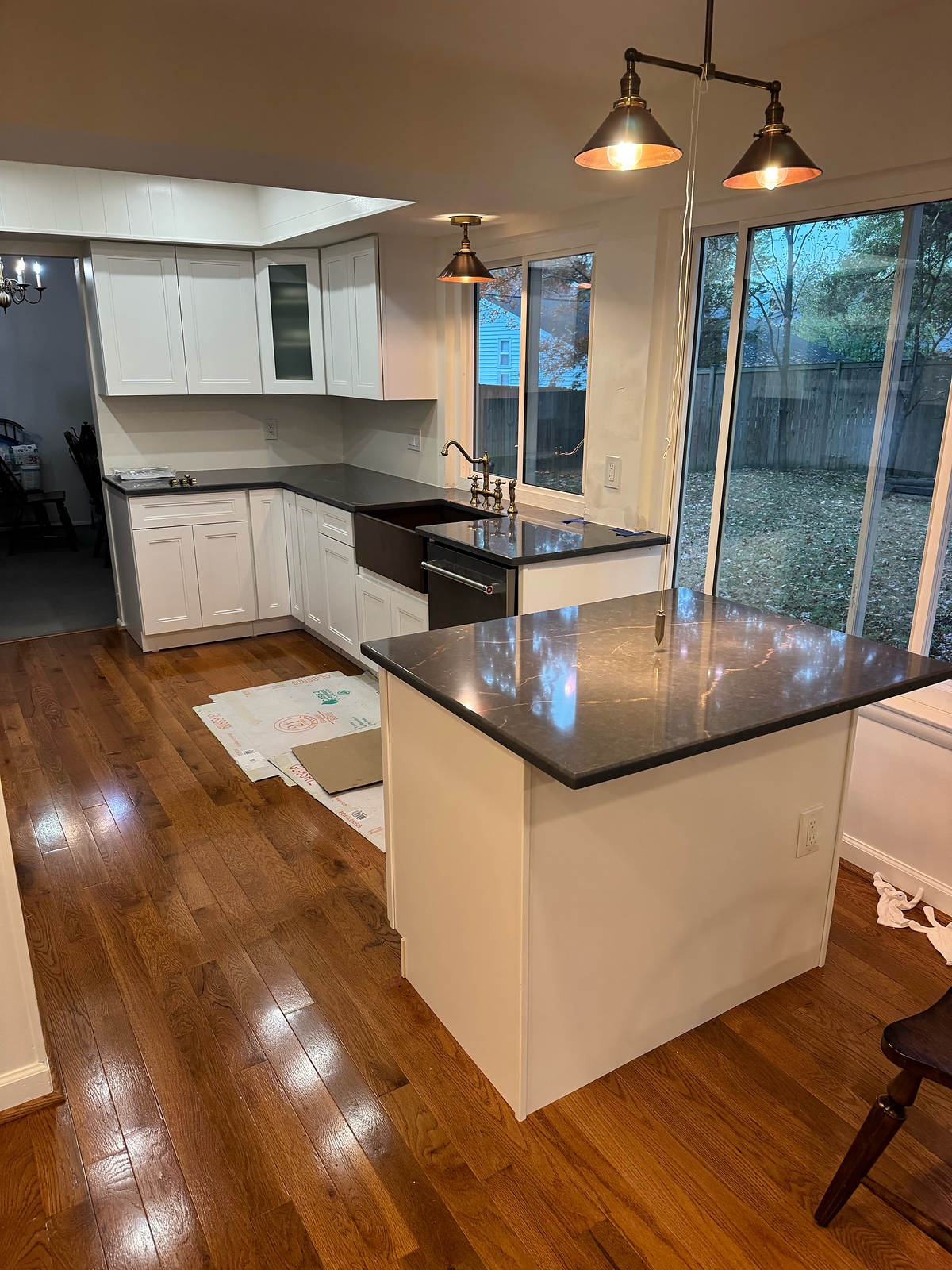
- Kitchen remodels: set up a temporary kitchen in another room with the refrigerator, a microwave or countertop cooker, a coffee maker and a bin of dishes. Plan simple meals and more takeout than usual.
- Bathroom remodels: if it is your only bathroom, talk with your contractor about timing and whether a short stay elsewhere makes sense during the stages when the room is unusable.
- Whole-home or multi-room work: noise, dust and shut-off utilities add up. Some families stay with relatives or in a short-term rental for the heaviest weeks.
Clear and protect the work area
Empty the rooms being worked on, including closets, cabinets and anything on the walls. Move furniture you want to keep to a room that is not part of the project, or into storage. Pack fragile items and valuables yourself, and keep important papers, medications and electronics somewhere you can reach easily.
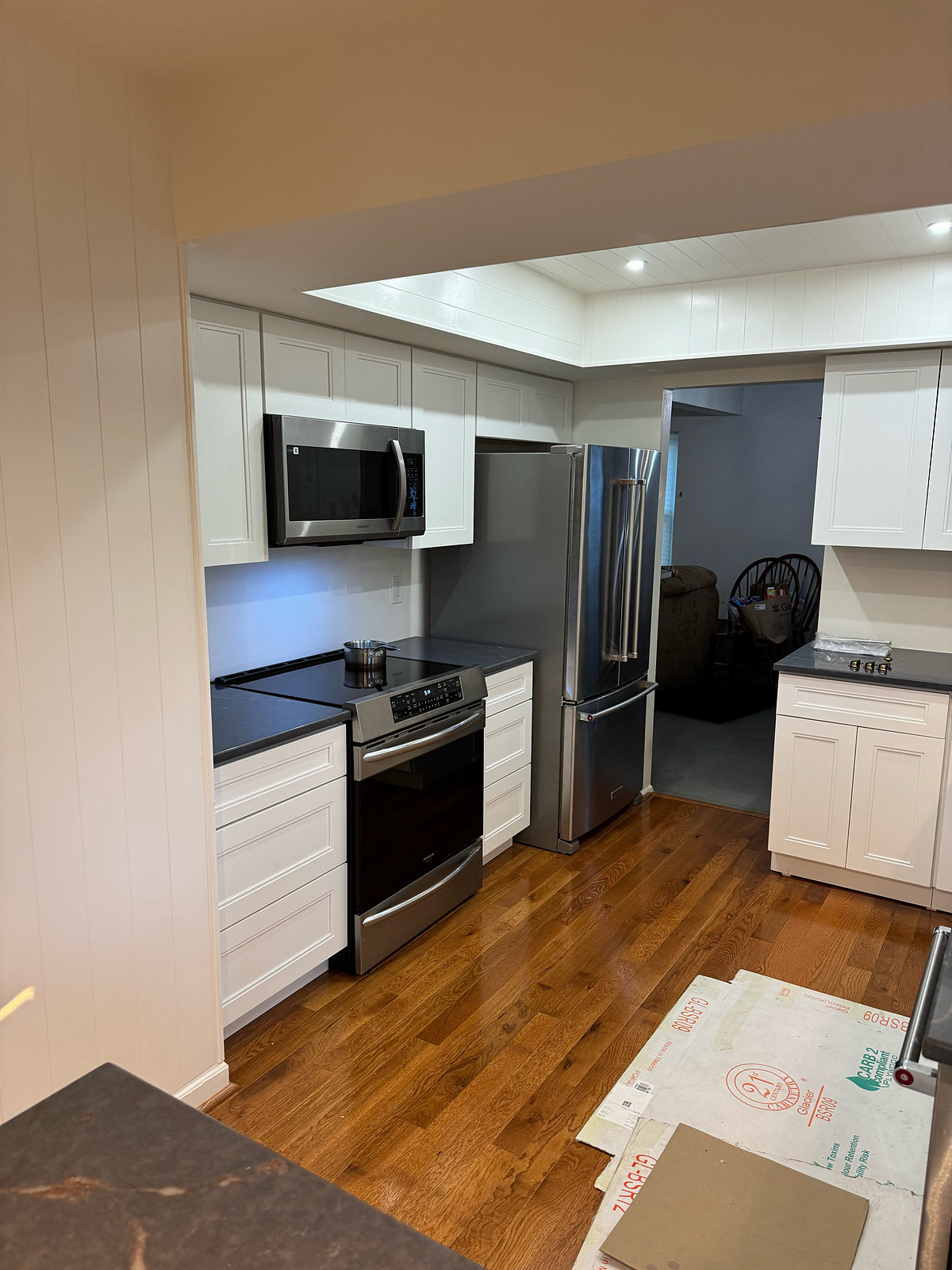
Think about the path the crew will use, too. Rugs, art and small furniture along hallways and entries are easy to bump while carrying cabinets or drywall. Ask what floor and wall protection is included; on finished floors, cardboard, paper or plastic runners are common.
Plan for dust, air conditioning and humidity
Dust travels, and in South Florida the air conditioning usually runs all year. Ask your contractor how the work area will be closed off, for example with plastic sheeting and zippered doors, and whether supply or return vents in the work area should be covered. Have spare air filters on hand and plan to change them more often during and after the dusty stages.
Keeping the home cooled and dehumidified also matters for the materials. Wood flooring, trim and cabinets usually need to sit inside the conditioned home before installation, and paint and drywall compound dry best in steady conditions. If you plan to be away, don’t switch the AC off without asking first.
Kids, pets and daily routines
- Keep children and pets out of the work zone. Tools, cords, nails and open walls are not safe to explore.
- Pets can get anxious with strangers and noise, and an open door is an easy escape route. A closed room, a crate, daycare or a stay with family can help on the loudest days.
- If you work from home, pick a quiet room as far from the work as possible and expect a few noisy days.
- Tell the crew about anything they should know: alarm codes, a door that must stay closed, a sprinkler schedule or a sleeping baby.
Condo and HOA logistics
Condo projects add the building to the plan. Many associations set work hours, ask for contractor paperwork before work starts, and have rules for elevators, loading areas, parking and debris removal. Rules differ from building to building, so check with your association or property manager early, and see our condo renovation guide for how approvals usually fit together. A friendly note to neighbors about the dates and hours goes a long way.
Older homes: ask about lead paint
If your home was built before 1978, paint in it may contain lead. Under the U.S. EPA’s Renovation, Repair and Painting (RRP) program, anyone paid to do work that disturbs paint in housing built before 1978 generally must be certified in lead-safe work practices, and EPA recommends that homeowners hire a lead-safe certified contractor for that work. Ask how your project will handle it before demolition or sanding begins.
Hurricane season and scheduling
The Atlantic hurricane season officially runs from June 1 to November 30, according to the National Hurricane Center. You don’t have to avoid remodeling during those months, but it is smart to plan for a storm watch:
- Ask how the site would be secured: loose materials, debris and anything stored outside.
- Keep a clear path to your shutters or storm panels and to the main water and electrical shut-offs.
- Expect that a storm can push the schedule back for the crew, inspections and deliveries.
Permits and inspections
Whether your project needs a permit depends on the work and on where you live. If one is needed, someone may need to be home for inspections, and work in some areas may have to stay open until it is inspected. Read our guide on permits for remodeling in Miami-Dade and Broward, and check with your local building department if you are unsure.
Questions to settle before day one
- Which rooms will be off-limits, and for roughly how long?
- Will water, power or air conditioning be shut off at any point, and will I get notice?
- Who moves furniture and appliances: me or the crew?
- How will floors, walls and vents be protected, and who cleans up at the end of each day?
- How will changes to the plan be handled and put in writing?
For help with the bigger picture, see how to plan a bathroom remodel and what affects remodeling cost in South Florida.
Next steps
If you are planning a kitchen, bathroom or home renovation anywhere in Miami-Dade or Broward, start with a free estimate. Tell us which rooms you have in mind and share a few photos, and we’ll put together a clear written scope so you know what to prepare. You can also browse more of our work in the project gallery.
Get a free estimate · Home renovation services · More guides
Ready to start your project?
Tell us about your project and get a clear written scope and estimate.